
What business expenses can I claim?
Every legitimate expense you fail to claim is tax paid unnecessarily. Every illegitimate one you do claim is a problem waiting for an HMRC enquiry. The rule that separates the two is short; applying it well is where the value lies.
The rule: wholly and exclusively
An expense is allowable when it is incurred wholly and exclusively for the purposes of the business. Costs with a genuine dual purpose, part business and part personal, generally need apportioning where a clear business proportion can be identified, and are disallowed where it cannot.
Commonly claimed categories
- Stock, materials and direct costs of what you sell
- Staff and subcontractor costs
- Premises costs: rent, rates, utilities, insurance
- Business travel and vehicle costs (with the notable exception of ordinary commuting)
- Phone, internet and software subscriptions, apportioned where use is mixed
- Professional fees: bookkeeping, accountancy, legal work for the business
- Marketing, website and advertising costs
- Bank charges and interest on business borrowing
- Working-from-home costs, either a reasonable apportionment or HMRC's simplified flat rates
The traps
Client entertaining is generally not deductible even though it feels like a business cost. Clothing is rarely claimable unless it is protective or a genuine uniform. Fines and penalties are never allowable. And large one-off purchases of equipment are usually capital rather than day-to-day expenses, claimed through capital allowances instead; the tax relief often arrives just as fully, but through a different route.
Records decide everything
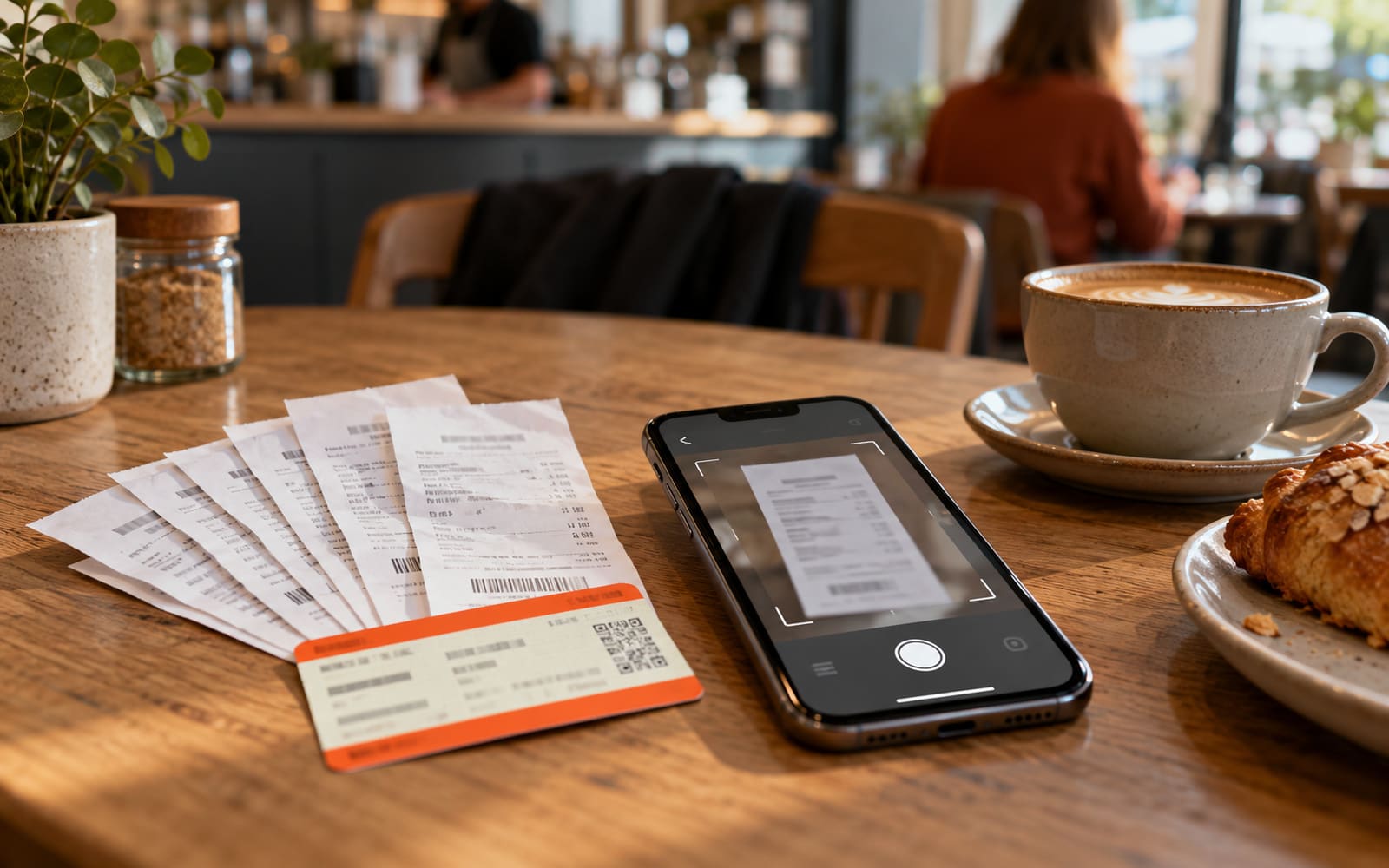
An allowable expense with no evidence behind it is an argument you may lose years later. Photographing receipts into your accounting software at the time takes seconds and settles the question permanently. It is also, not coincidentally, the habit that makes your year-end cheaper.
This note is general guidance, not advice on your circumstances; the detailed rules differ between sole traders and companies. If you suspect you are leaving claims on the table, or claiming bravely, get in touch.
Last reviewed 7 October 2026.